Luiz Inácio Lula da Silva
b. 1945
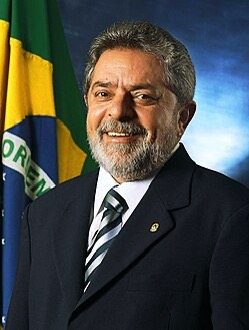
Luiz Inácio Lula da Silva was a union leader and President of Brazil from 2003 to 2010. In July 2017 Judge Sergio Moro, in the Operation Car Wash corruption inquiry, sentenced him to nine and a half years for corruption and money laundering. In January 2018 an appeals court raised the sentence to twelve years. He surrendered on 7 April 2018 and was released on 8 November 2019 after 580 days in prison.
On 8 March 2021 Justice Edson Fachin annulled all of his convictions, ruling that the court in Curitiba lacked jurisdiction. The Supreme Federal Court later ruled that Moro had been biased. Lula ran again, defeated Jair Bolsonaro in the 2022 runoff, and was sworn in on 1 January 2023. He was never declared innocent on the merits, a point both sides of the argument keep returning to.
The Charge
The 2017 verdict found that he had received improvements to a beachfront property as a bribe from a construction company in exchange for favours in government contracts. It was one of nine cases brought against him in the Car Wash investigation. The conviction was upheld and the sentence increased on appeal in January 2018, and the Supreme Federal Court narrowly refused his habeas corpus petition on 5 April 2018, by six votes to five.
The Case For
In June 2019 The Intercept published leaked messages that appeared to show Judge Moro and prosecutor Deltan Dallagnol coordinating the case. Moro denied wrongdoing and said the press had misrepresented the messages. In 2021 the Supreme Federal Court ruled that Moro was biased, and upheld the ruling later that year. Moro later became justice minister under Jair Bolsonaro, Lula's opponent. In 2018 the UN Human Rights Committee asked Brazil to ensure Lula could exercise his political rights.
The Case Against
The annulment was based on jurisdiction and judicial bias, not on a finding that Lula was innocent. Supporters of the investigation point out that the facts in the original case were reviewed and upheld by an appeals court, and that the evidence was never retried in a different court. Critics say the Car Wash prosecutions uncovered real corruption in Brazil's biggest companies, and that a technicality allowed a convicted man to walk free and win an election.
Where Do You Stand?
If the judge was biased but the evidence was real, is the verdict still a verdict? Does a politician's return to power say that he was wronged, or that voters forgive? And who should decide?
Where do you stand?