Oscar Wilde
1854-1900
For Man's grim Justice goes its way, And will not swerve aside.
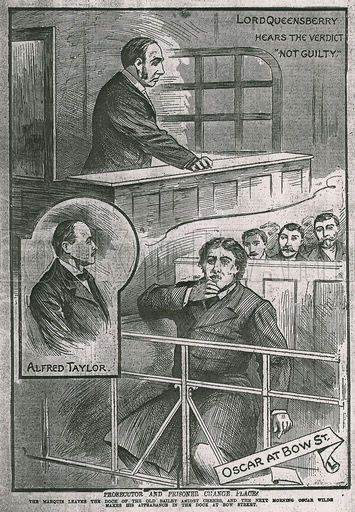
In 1895 Oscar Wilde sued the Marquess of Queensberry for libel. The case exposed evidence that led to Wilde's own arrest and prosecution for gross indecency with other men. The first trial ended without a verdict. In the retrial he was convicted and sentenced to two years' hard labour, the maximum penalty, by a judge who called it the worst case he had tried. He was imprisoned from 1895 to 1897. On the day of his release he left for France and never returned to Britain or Ireland. He wrote The Ballad of Reading Gaol there in 1898, and died in Paris on 30 November 1900, aged 46.
A provision of the Policing and Crime Act 2016, in force from 31 January 2017, automatically pardons dead men convicted of gross indecency or buggery for consensual acts between people aged 16 or over. Wilde is widely reported as one of the men pardoned, though it is debated whether the law truly covers him, because some witnesses at his trial may have been under 16. The pardon is a statement more than a remedy: the law that convicted him was repealed long ago, and he did not live to hear it.