Alexandra Elbakyan
b. 1988
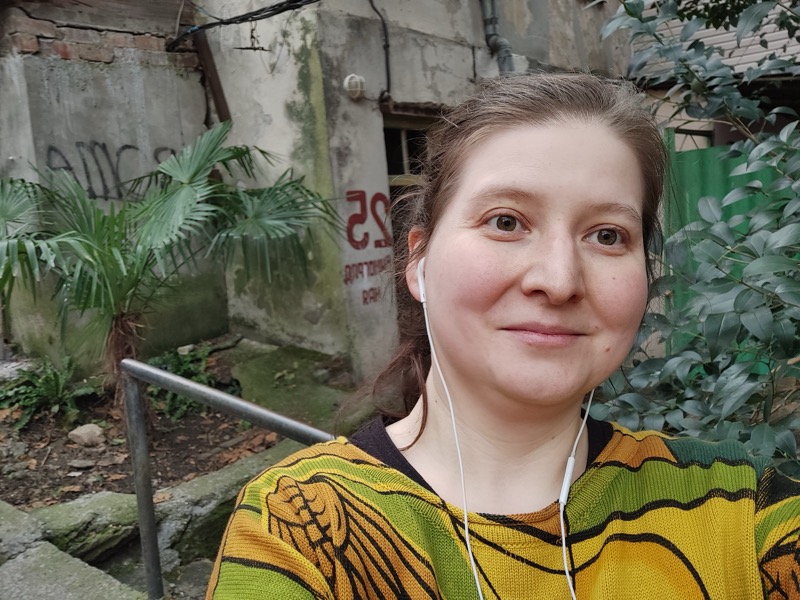
Alexandra Elbakyan is a Kazakh born neuroscientist who in 2011, while a student, created Sci-Hub, a website that gives free access to millions of paywalled scientific papers. She says she did it because she could not afford the articles she needed. Publishers see it as piracy on an industrial scale. Elsevier sued in 2015, and in 2017 a US court awarded it 15 million dollars in damages. She lives outside the reach of US courts.
No criminal case against her is public, but she has said she faces the risk of arrest and extradition if she travels. In December 2019 The Washington Post reported that the US Justice Department was investigating whether she had ties to Russian military intelligence, which she denied. The journal Nature named her one of ten people who mattered in science in 2016. Courts in several countries, including India, are still hearing publishers' demands to block Sci-Hub.
The Charge
She is accused of copyright infringement and of unauthorized access to computer systems, in the civil case brought by Elsevier and in other suits. In the United States the court found infringement and awarded damages and an injunction. She is not known to have been criminally charged, which is why her case belongs to the open files.
The Case For
Supporters argue that scientific knowledge funded by taxpayers should not sit behind a paywall, and that the publishers' margins are the real scandal. Researchers in poorer countries say Sci-Hub is the only way they can read the literature. Nature put her on its 2016 list. Open access policies that spread afterwards were partly a reaction to what Sci-Hub demonstrated.
The Case Against
Publishers and many authors say that peer review, editing and archiving cost money, and that a site that takes without paying makes it harder to fund them. Publishers say the papers were obtained with improperly acquired university log ins. A US court found infringement, and the alleged Russian intelligence connection, which she denies, was reported by The Washington Post.
Where Do You Stand?
If a library for everybody can only exist by breaking the law, is the law or the library the problem? Is taking access to knowledge a theft or a correction? And who is responsible when the person doing it lives beyond the reach of the courts?
Where do you stand?