Mahatma Gandhi
1869-1948
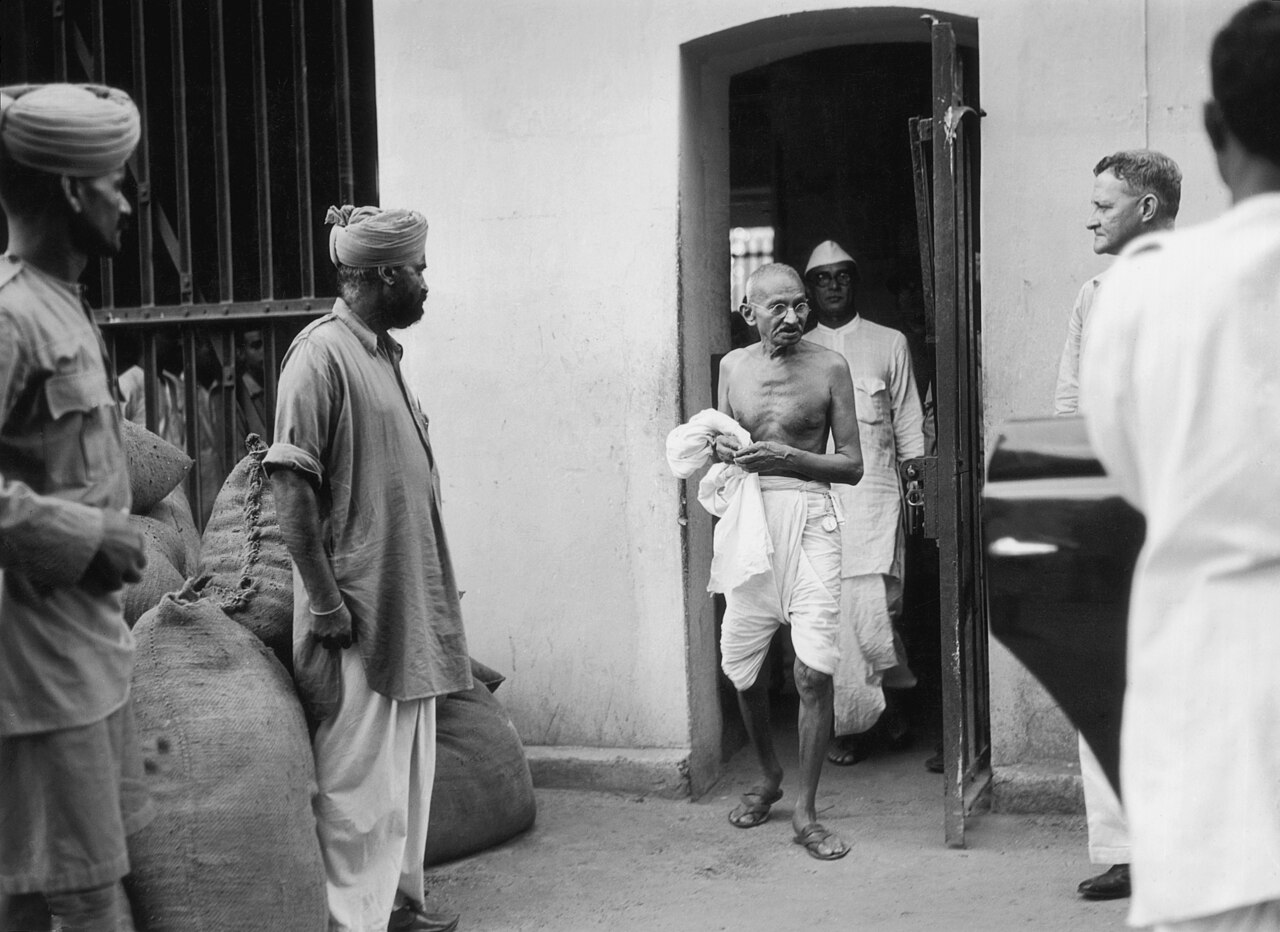
Affection cannot be manufactured or regulated by law.
In March 1922 Gandhi was arrested and tried in Ahmedabad for sedition under Section 124A of the Indian Penal Code, a charge based on articles he had written in his journal Young India. He pleaded guilty. He told the court he had been playing with fire and would keep doing so as his duty to his people, and he invited the judge to either resign or impose the severest penalty. The judge sentenced him to six years in prison, while acknowledging that many regarded him as a great patriot and leader. Gandhi served less than two years.
Gandhi walked free and, in 1947, the empire that had convicted him left India. The law did not leave with it. Section 124A stayed in the Penal Code for another 75 years, until the Supreme Court put it in abeyance on 11 May 2022, after the government itself said it would re-examine the provision. The court suspended its use rather than striking it down. When a new criminal code replaced the Penal Code in July 2024, the word sedition disappeared, and the government said the offence had been repealed. Critics, including the original petitioner, say the new Section 152 revives it under another name. Both challenges are still before the Supreme Court. The man is rehabilitated beyond dispute. The law that convicted him is still being argued over.
The prince among the political sections of the Indian Penal Code.