
Buck v. Bell
1927
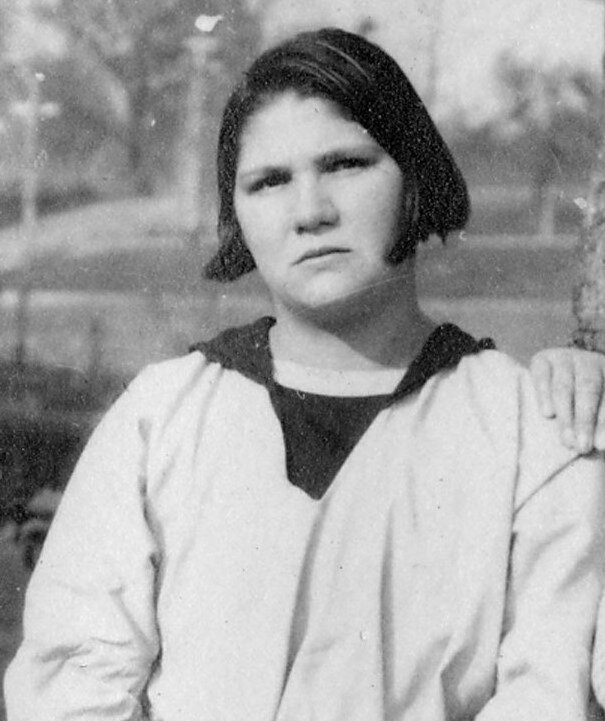
Three generations of imbeciles are enough.
In 1924 Virginia passed a law allowing the state to sterilize people it judged unfit to have children. The first person chosen to test it was Carrie Buck. On 23 January 1924, at 17, she was committed to the Virginia Colony for Epileptics and Feebleminded, on grounds that included feeblemindedness, incorrigibility and promiscuity. Her mother was already held there. Historians have since reported that she had been raped by a relative of her foster family, and that the lawsuit was arranged between friendly parties to produce a ruling.
On 2 May 1927, in Buck v. Bell, the US Supreme Court upheld the law by eight votes to one. Justice Oliver Wendell Holmes wrote the opinion, ending with the line above. It was an ordinary decision for its time, not a scandalous one.
What Was Normal
Forced sterilization of people labelled feebleminded, insane or criminal was lawful in many American states in the early twentieth century, and thousands were carried out. Patients in state institutions were operated on, often without a real understanding of what was being done to them.
Why It Seemed Right
Eugenics was mainstream science and politics. Holmes wrote that it is better for all the world if, instead of waiting to execute degenerate offspring for crime, or to let them starve for their imbecility, society can prevent those who are manifestly unfit from continuing their kind. The state already asked soldiers to give their lives, he argued, and a smaller sacrifice could be asked of others. Every justice but one agreed.
Who Objected
Justice Pierce Butler dissented, though he wrote no opinion explaining why. Carrie Buck herself, who by the school's records was an average student who reached the sixth grade, had little real chance to argue her case, because the suit was arranged between friendly parties.
What Changed
The Supreme Court has never expressly overturned Buck v. Bell. In 1942 Skinner v. Oklahoma struck down compulsory sterilization of certain criminals, which did not overrule it but made new sterilizations legally risky. After the Second World War the stakes became clearer: counsel for the SS official Otto Hofmann cited Holmes's opinion in his defense at one of the Nuremberg trials, according to the historian Harry Bruinius, and Germany's 1933 sterilization law was largely based on an American model law. Hofmann was convicted anyway, but the argument was made.
Your Turn
Everyone involved in this ruling believed they were acting for the common good, with the best science of their day. What do we confidently do today, in hospitals, schools or prisons, that a later generation may judge the same way? And how would we know?