
Bobby Seale
b. 1936
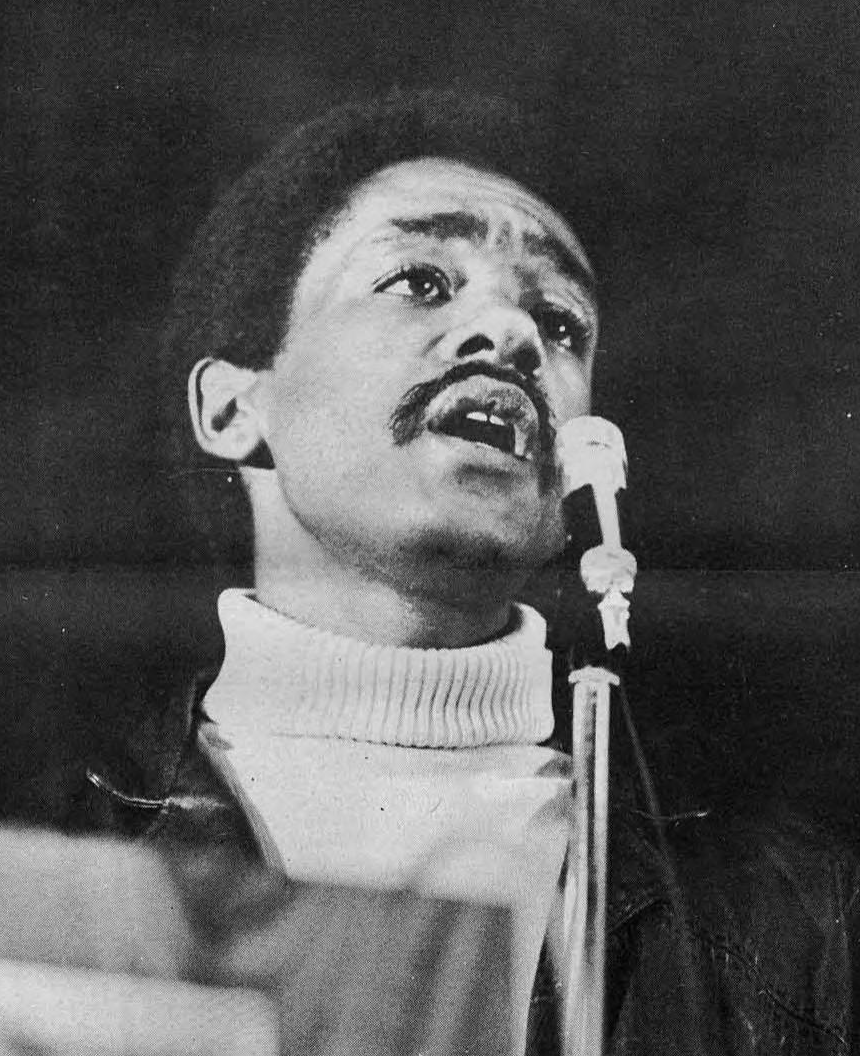
To be a Revolutionary is to be an Enemy of the state. To be arrested for this struggle is to be a Political Prisoner.
Bobby Seale co-founded the Black Panther Party for Self-Defense with Huey Newton in Oakland in October 1966. In 1969 he was one of eight men tried in Chicago for conspiracy over the protests at the 1968 Democratic National Convention. When he objected that his own lawyer was not present, Judge Julius Hoffman had him bound and gagged in the courtroom. Seale's case was separated from the others, and on 5 November 1969 he was sentenced to four years for sixteen counts of contempt. He was never convicted of the conspiracy charge.
In 1970 he stood trial in New Haven, Connecticut, charged in connection with the killing of Alex Rackley, a fellow Panther suspected of being an informer. The jury could not reach a verdict and the charges were dropped. He left prison in 1972, finished second in the 1973 Oakland mayoral race, and left the Party in 1974. In 2025 Oakland proclaimed 22 October Bobby Seale Day.
The Charge
In Chicago he was accused, with seven others, of conspiracy and incitement connected to the 1968 convention protests. His contempt sentence of four years came from his outbursts in court, not from the original charge. In New Haven he was charged over the killing of Alex Rackley.
The Case For
Seale's supporters say he was never convicted of either of the charges that brought him to court. The picture of a Black defendant bound and gagged in a federal courtroom became a lasting image of unfairness in the American system. The contempt sentence was later set aside, and the New Haven jury could not agree. The Panthers' free breakfast programs for children, and the police violence they were responding to, are part of the record.
The Case Against
The Panthers called openly for armed self defense and for revolution, and the government saw them as dangerous. Rackley was killed by fellow Panthers, and some of them were convicted. A hung jury is not an acquittal, and critics say the movement Seale founded was itself involved in violence.
Where Do You Stand?
If a court silences a defendant by tying him to a chair, does that say something about him or about the court? Where is the line between a political prisoner and a defendant in a political trial? And who gets to say?
Where do you stand?