Lobotomy
1935 to the 1950s
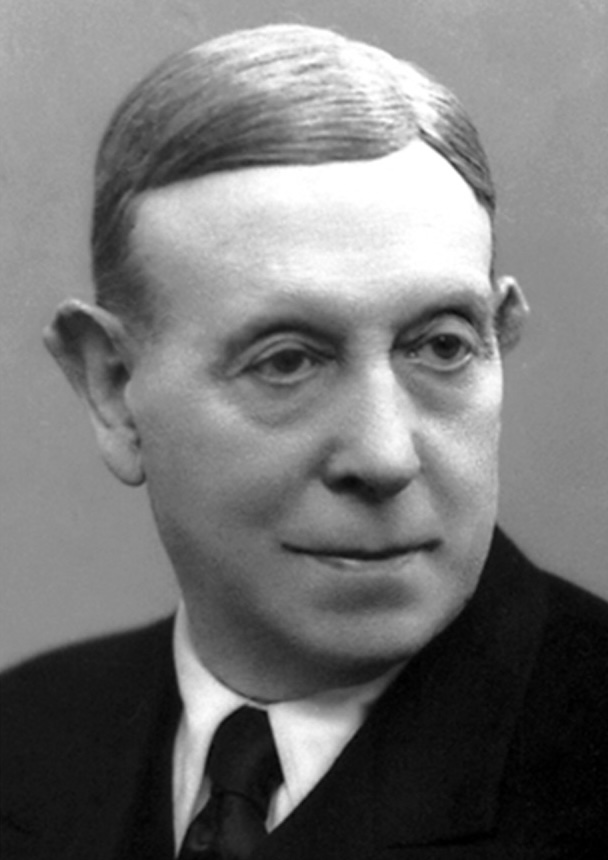
On 12 November 1935 the Portuguese neurologist Egas Moniz began operating on the brains of psychiatric patients in Lisbon, cutting connections in the frontal lobes. In 1949 he shared the Nobel Prize in Physiology or Medicine for the technique. In the United States, Walter Freeman developed a quicker version, the transorbital lobotomy, in 1945 and performed the first on a live patient in 1946. About 40,000 lobotomies were performed in the United States.
Among the patients was Rosemary Kennedy, sister of the future president, who was lobotomized in 1941 and institutionalized for the rest of her life.
What Was Normal
Surgeons severed or scraped away parts of the frontal lobes of patients with severe mental illness,. It was performed in hospitals across Europe and America, sometimes quickly, with simple instruments.
Why It Seemed Right
Before antipsychotic drugs, doctors had few options for severe psychiatric illness. A procedure that made some violent or distressed patients calmer looked like progress, and it was recognised by the highest scientific prize.
Who Objected
The Soviet Union officially banned the procedure in 1950, and during the 1950s it began to be abandoned elsewhere.
What Changed
The arrival of antipsychotic drugs in the 1950s led to a rapid decline in lobotomy, and it was abandoned. There have since been calls for the Nobel Foundation to rescind Moniz's prize. It has not.
Your Turn
The people who did this were doctors, honoured by their peers, and the prize was given for it. Which of today's accepted medical practices rests on a similar mix of urgency and limited knowledge?