Aaron Swartz
1986-2013
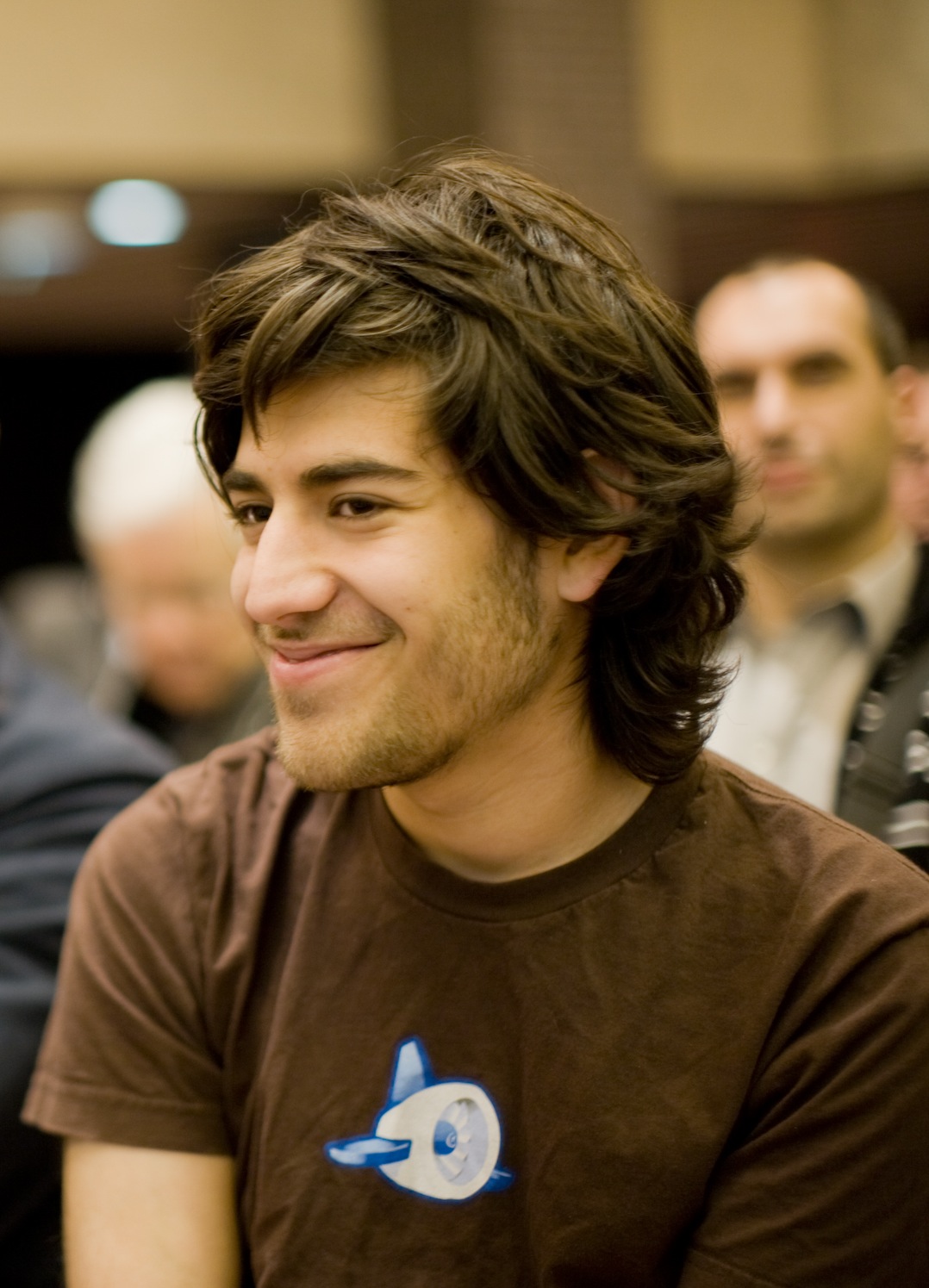
Information is power. But like all power, there are those who want to keep it for themselves.
Aaron Swartz was an American programmer who helped create RSS as a teenager, worked on Reddit and Creative Commons, and campaigned for free access to knowledge. In January 2011 he was arrested in Boston after using a laptop in an MIT network closet to download millions of articles from JSTOR, the academic archive. JSTOR settled and asked prosecutors not to pursue him, but the federal government indicted him in July 2011, and in September 2012 added charges for a total of 13: two counts of wire fraud and eleven under the Computer Fraud and Abuse Act.
The prosecutors' offer was a guilty plea to all 13 counts and six months in prison. Aaron Swartz died on 11 January 2013, aged 26, while the case was pending. The federal charges were dismissed three days later. An MIT report in July 2013 found the university had not asked for charges, but had also never supported him.
The Charge
The superseding indictment charged wire fraud and eleven violations of the Computer Fraud and Abuse Act. The US Attorney said the maximum penalty was up to 35 years in prison, three years of supervised release, restitution, forfeiture and a fine of up to one million dollars. The accusation was that he broke into a closet and took millions of articles that were not his.
The Case For
JSTOR itself did not want a prosecution, and no sale or distribution was ever shown. Supporters said this was a download, and that prosecutors threatened decades in prison to force a plea. His lawyer later alleged a prosecutor had threatened seven years. Part of the indictment rested on redundant provisions of a vaguely worded 1986 law, which Congress members proposed to change in a bill called Aaron's Law, which did not pass. Much of what he wanted, open access to publicly funded research, has since become policy.
The Case Against
He did enter a closed wiring closet at MIT, and prosecutors alleged he hid the laptop and disguised his machine to avoid being blocked, which they said showed intent. The rules of access were set by JSTOR and MIT, not by him, and he wrote in a manifesto that he wanted to take material and share it. Defenders of the prosecution say the plea offer was moderate, and that a wide gap between charge and outcome is normal in plea bargaining.
Where Do You Stand?
Was copying papers that were largely paid for by the public a crime, a protest, or a prank? What is the right punishment for breaking a rule you think is unjust? Did the pressure of a decades long threat fit the act?
Where do you stand?