Alexei Navalny
1976-2024
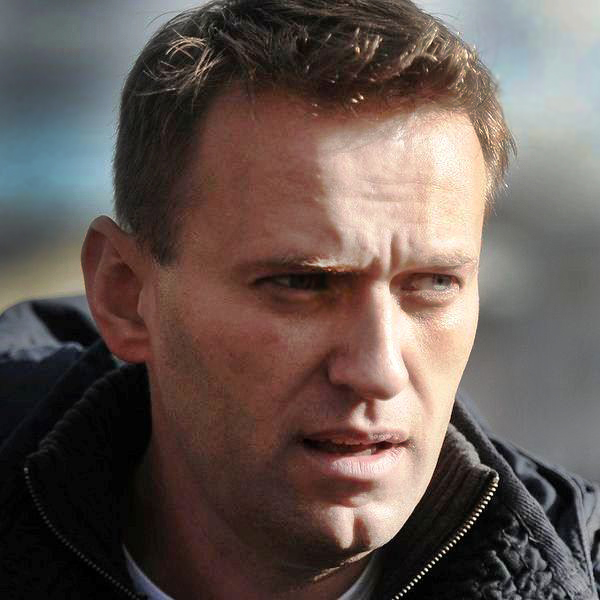
Alexei Navalny was a Russian lawyer and the best known opponent of Vladimir Putin. He made his name with investigations into corruption and called the ruling party the party of crooks and thieves. In 2013 he was convicted of embezzlement in the Kirovles case and given a suspended sentence. The European Court of Human Rights ruled in 2016 that the trial was unfair, but a retrial in 2017 ended in the same suspended sentence. In 2014 he was convicted in the Yves Rocher case, and the Court later called that conviction arbitrary.
In August 2020 he was poisoned with a nerve agent of the Novichok family, and treated in Berlin. He returned to Moscow in January 2021 and was detained at the airport; his suspended sentence was converted into a prison term. In 2022 he received nine more years for fraud and contempt of court, and in 2023 nineteen years for extremism. He died on 16 February 2024 in an Arctic penal colony, aged 47.
The Charge
Russian courts convicted him of embezzlement and fraud (Kirovles and Yves Rocher), then of defrauding donors and contempt of court, and finally of founding and financing an extremist organization, the name given to his anti corruption network. The final sentence was nineteen years.
The Case For
The European Court of Human Rights said that the first two trials were unfair and the second conviction arbitrary. Amnesty International recognised him as a prisoner of conscience. Western governments called the prosecutions political, and many held Russian authorities responsible for his death. His supporters pointed to the poisoning and said it fits a pattern of silencing him.
The Case Against
The Russian government said he had been rightly convicted and denied any role in the poisoning. Some critics outside the Kremlin also noted his history with nationalism: he took part in the Russian March in the 2000s and was expelled from the liberal Yabloko party in 2007 for nationalist statements. These remarks did not justify his sentences, but they complicate the saint portrait he is sometimes given.
Where Do You Stand?
If a state convicts its strongest opponent, does the verdict mean anything? Can someone be both a flawed politician and a prisoner of conscience? And who decides which trials are law and which are theatre?
Where do you stand?